In the bustling, historic landscape of Charleston, South Carolina, maintaining an active lifestyle is not merely a luxury—it is a way of life. From the cobblestone streets of the French Quarter to the serene beaches of Sullivan’s Island, the residents of the Lowcountry demand mobility, strength, and resilience from their bodies. However, whether it is the result of a sudden joint injury, the chronic ache of back pain, or the gradual wear and tear of daily life, physical limitations can strip away the joy of movement. In these moments of discomfort, the path to recovery requires more than just temporary relief; it demands a comprehensive, hands-on approach to care. This is where the mission of professional physical therapy comes into focus, offering not just rehabilitation, but a gateway to achieving one’s maximum physical potential.
The Foundation of Comprehensive Care
Physical therapy is often misunderstood as a reactive service—something patients seek only after surgery or a major accident. In reality, it is a proactive science dedicated to the mechanics of the human body. At its core, expert Atlas Physical Therapy services address the root cause of dysfunction, rather than merely masking the symptoms. For individuals suffering from common ailments such as back pain, joint injuries, or musculoskeletal imbalances, the journey to wellness is rarely linear. It requires a tailored strategy that respects the unique anatomy, lifestyle, and goals of the individual.
Back pain, for instance, is one of the most pervasive health issues facing adults today. It can stem from poor posture developed over years of desk work, acute injury from athletic activity, or degenerative conditions associated with aging. Without proper intervention, back pain often leads to a vicious cycle of immobility, muscle atrophy, and increased discomfort. Similarly, joint injuries—whether in the shoulder, knee, or hip—can destabilize the kinetic chain, forcing the body to compensate in ways that lead to secondary injuries. Comprehensive physical therapy addresses these issues through evidence-based techniques designed to restore stability, improve range of motion, and rebuild strength.
The Hands-On Difference
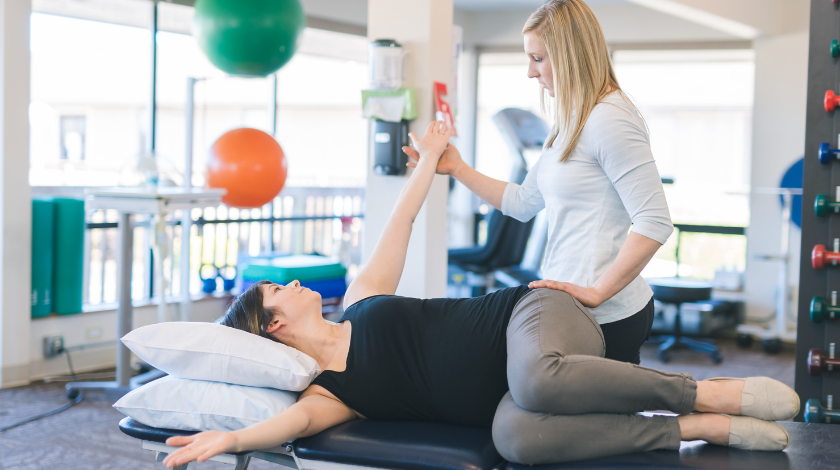
In an era where healthcare can sometimes feel impersonal—reduced to quick consultations and prescription pads—there is a growing need for a return to “hands-on” care. Palpation, manual manipulation, and direct therapeutic touch remain irreplaceable tools in the rehabilitation process. When a skilled therapist uses their hands to mobilize a stiff joint or release tension in a knotted muscle, they are doing more than providing comfort; they are actively stimulating blood flow, breaking down adhesions, and retraining the nervous system to accept pain-free movement.
This hands-on philosophy is particularly vital in a community like Charleston, where residents are highly active. Whether a patient is a competitive rower dealing with a rotator cuff injury, a postpartum mother struggling with sacroiliac joint dysfunction, or a retiree hoping to play golf without lower back pain, the specificity of manual therapy can make the difference between chronic limitation and full recovery. By combining manual techniques with therapeutic exercise and patient education, physical therapists empower individuals to take control of their health.
Beyond Injury: Embracing Holistic Health and Wellness
While injury recovery is a primary entry point for physical therapy, the scope of this service extends deeply into the realm of general wellness. Preventative care is a cornerstone of sustainable health. For many, the first sign of a problem isn’t a dramatic fall, but a subtle shift in gait, a persistent stiffness in the morning, or a nagging ache that disrupts sleep.
Physical therapy serves as a critical checkpoint for overall wellness. Therapists are uniquely trained to identify movement inefficiencies that predispose individuals to injury. For example, a runner in West Ashley might seek out a therapist not because they are currently injured, but because they want to analyze their running gait to prevent future stress fractures or IT band syndrome. By addressing these biomechanical inefficiencies early, patients can avoid surgeries and long-term downtime.
Moreover, physical therapy plays a crucial role in managing chronic health conditions. For those suffering from arthritis, osteoporosis, or balance disorders, regular therapeutic intervention can significantly improve quality of life. It reduces reliance on pain medications, which often carry risks of dependency, and replaces them with sustainable strategies like strength training and flexibility work. In this sense, physical therapy is not just about healing the body; it is about fortifying it against the challenges of the future.
The Role of Accessibility and Community
Accessibility is a critical component of effective healthcare. In a sprawling city like Charleston, where traffic can make travel across town a significant endeavor, having multiple locations for care ensures that patients can maintain consistency in their treatment. Consistency is key in physical therapy; missing appointments due to travel difficulties can stall progress and delay return to function. By establishing a presence across different areas of the city, a professional physical therapy practice demonstrates a commitment to meeting patients where they are—both geographically and in their health journey.
Furthermore, the environment in which therapy takes place matters. A clinic that fosters a supportive, educational atmosphere transforms the patient experience. When individuals understand the “why” behind their exercises—why a specific stretch alleviates sciatic pain or why strengthening the glutes protects the lower back—they become active participants in their recovery. This educational component extends beyond the clinic walls, equipping patients with the knowledge to maintain their progress independently.
Achieving Maximum Physical Potential
The ultimate goal of any superior physical therapy service is to help patients achieve their maximum physical potential. This concept varies from person to person. For one individual, maximum potential might mean returning to competitive sports at a collegiate level. For another, it might mean being able to lift a grandchild without fear of injury, or simply walking through the Charleston City Market without stopping to rest due to joint pain.
Achieving this potential requires a partnership. It requires a team of dedicated professionals who combine clinical expertise with genuine compassion. It involves setting realistic milestones, celebrating small victories, and persistently working through setbacks. The human body has an extraordinary capacity for healing, but it often needs guidance to unlock that capacity. Through a combination of advanced therapeutic modalities, manual techniques, and personalized exercise prescriptions, patients can rebuild not only their physical capabilities but also their confidence.
Conclusion
In the pursuit of health and wellness, the quality of care we choose directly impacts the quality of life we lead. For the residents of Charleston, SC, where an active and vibrant lifestyle is part of the city’s identity, maintaining physical function is paramount. Whether facing the challenges of back pain, recovering from a complex joint injury, or seeking to optimize physical performance, the need for comprehensive, hands-on care is clear.
Physical therapy offers a bridge between the pain of limitation and the freedom of movement. It shifts the focus from merely surviving daily activities to thriving within them. By prioritizing a mission of exceptional, individualized care—focused on manual therapy, patient education, and preventative wellness—professional physical therapy services do more than treat symptoms; they restore hope. They provide the tools necessary for patients to reclaim their independence, pursue their passions, and ultimately achieve their maximum physical potential. In a world where health is our greatest asset, investing in the right rehabilitation partner is not just a step toward recovery; it is a leap toward a stronger, more resilient future.